Welcome to GWBAA
The Greater Washington (DC) Business Aviation Association is a regional affiliate of NBAA founded in 2005. GWBAA membership provides opportunities for ongoing learning and networking with the business aviation community.
LoginWant More News? | Join Us at GWBAA Our mission is to represent and support the business aviation community in the Greater Washington DC area. As always, GWBAA welcomes new ideas and new members. Please let us know if you are interested in participating on a committee, volunteering at an upcoming event or serving on the Board of Directors. We can be reached at info@gwbaa.com. |
What's HappeningGWBAA 2024 Safety Day
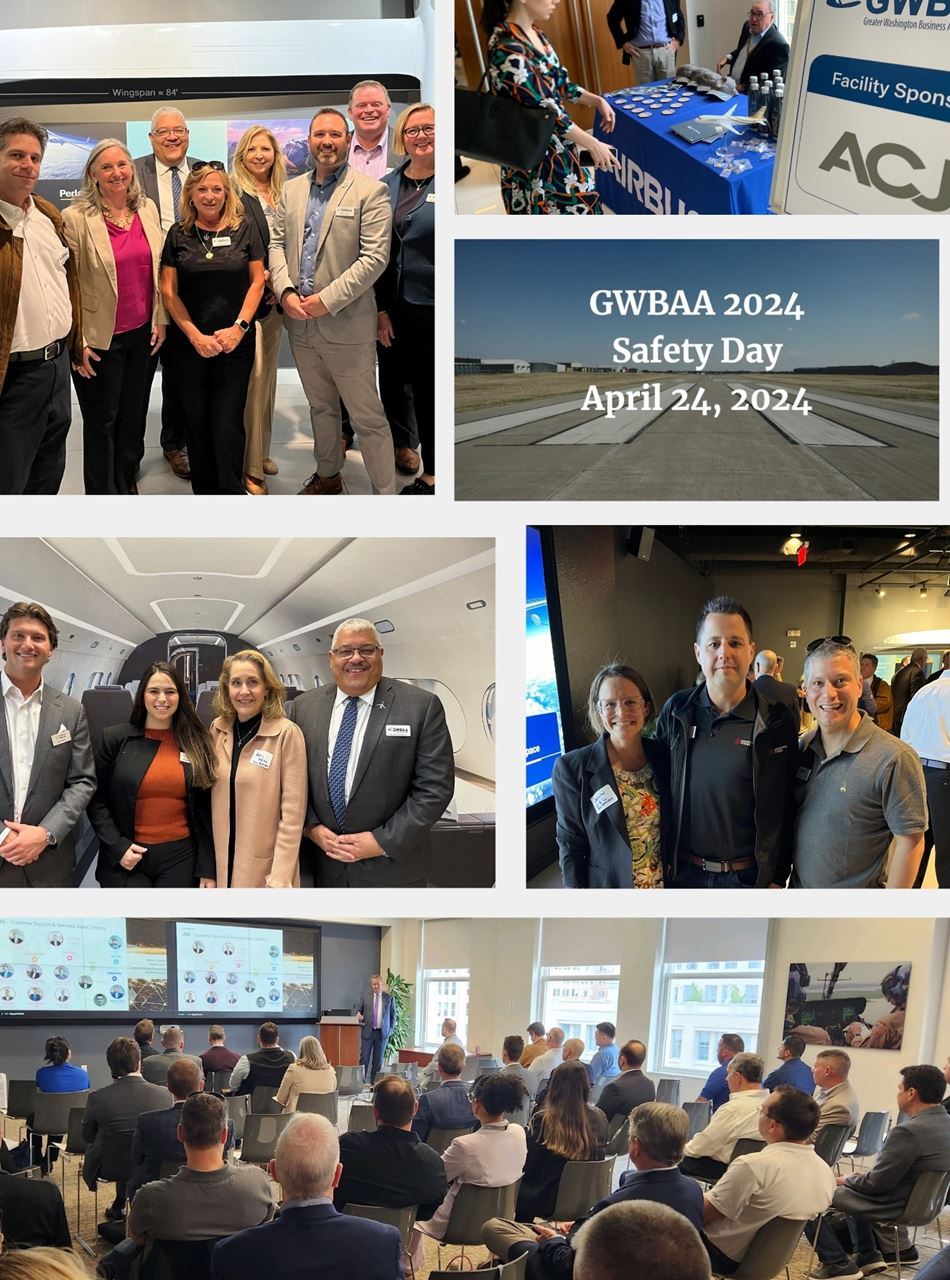
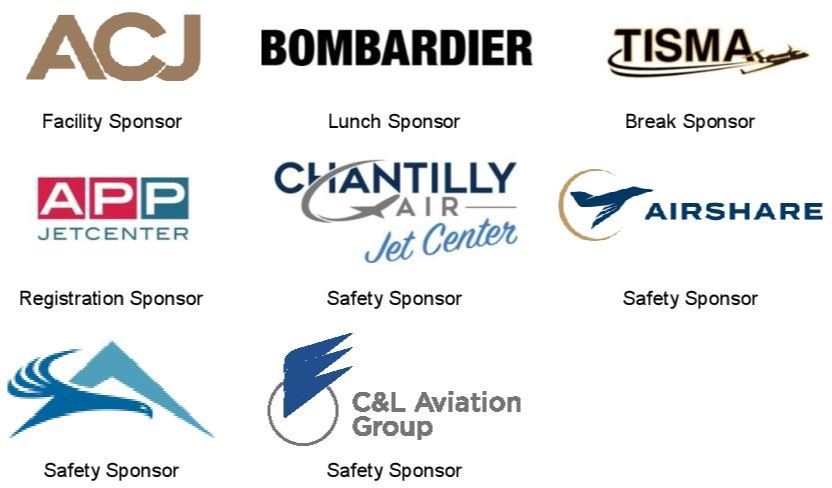
The GWBAA 2024 Safety Day, marked another successful day of fostering safety awareness and promoting knowledge sharing. This year was the 18th consecutive year that GWBAA has convened industry professionals for a day dedicated to enhancing safety practices. Thank you to our facility sponsor Airbus Corporate Jets for hosting us in the Airbus Experience Center. Thank you to our Sponsors!
GWBAA Holiday Reception & Annual Meeting
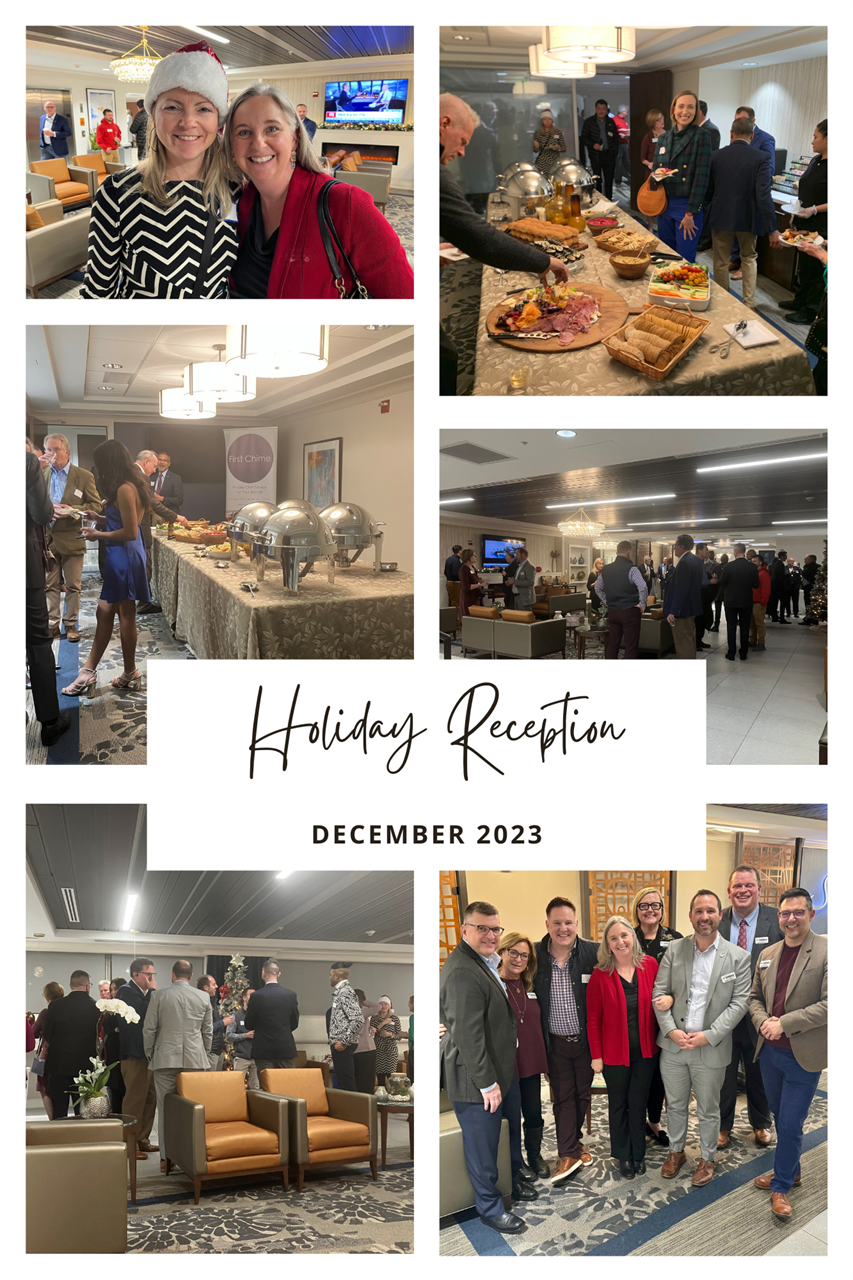
Great seeing so many of our members and community at the GWBAA Holiday Reception. We are looking forward to more great events in 2024! Thank you to our host!
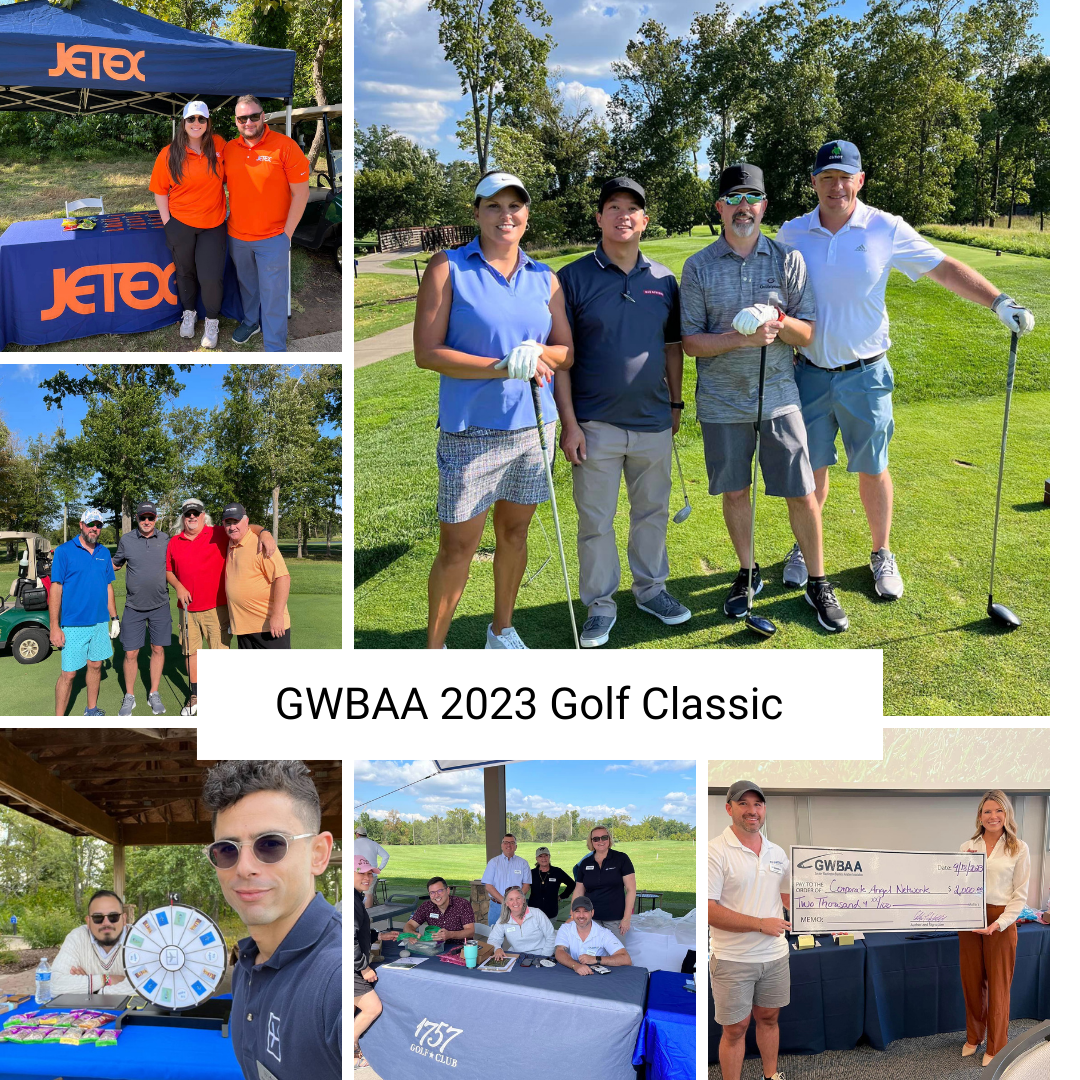
GWBAA 2023 Golf Classic
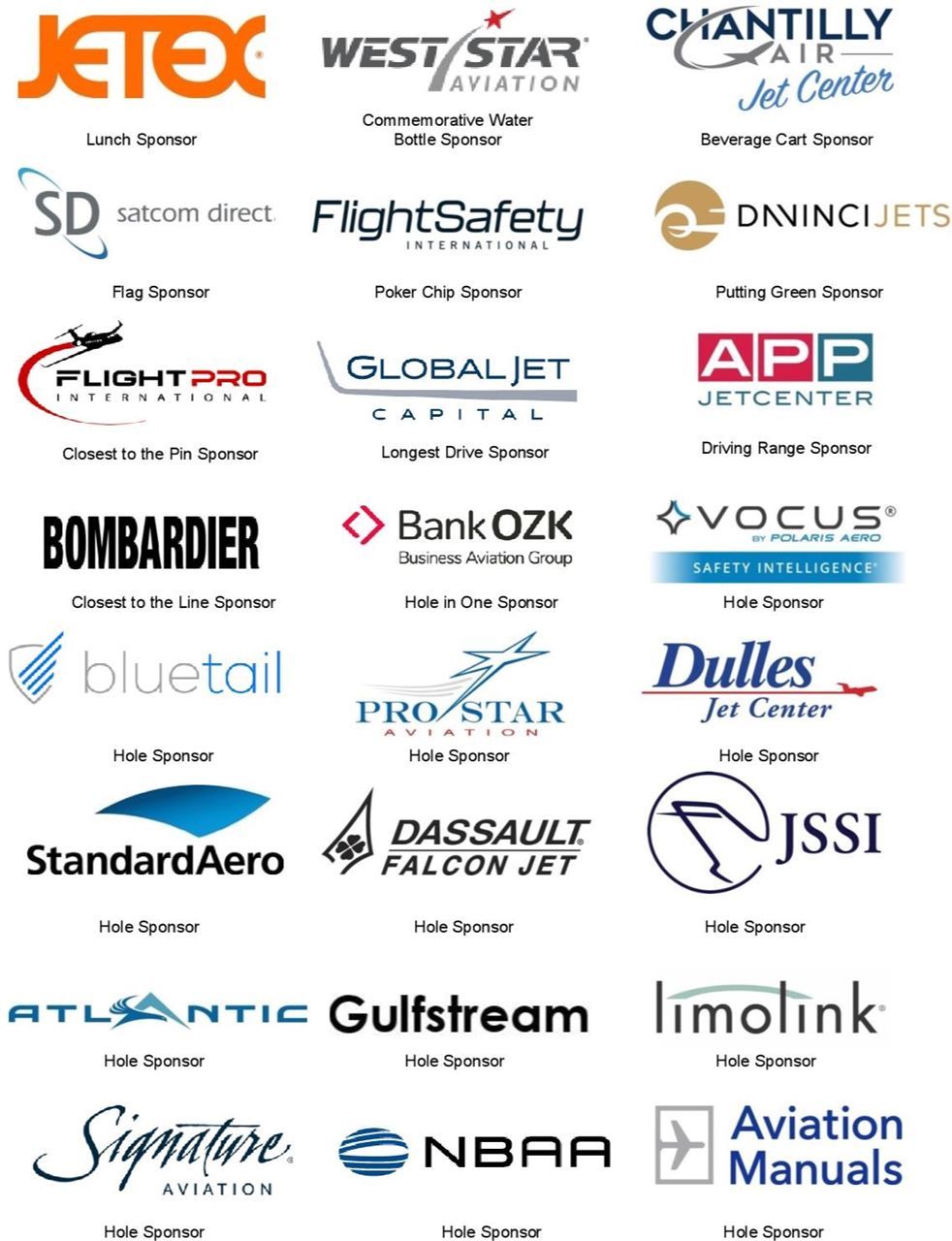
What a fantastic day at the GWBAA 2023 Golf Classic! Thank you for all of the golfers and sponsors who came out to join us on what turned out to be a perfect Fall day. We teed off reconnected, and made a positive impact by raising $2000 for our charity partner, Corporate Angel Network. Thank you to our Golf Sponsors!
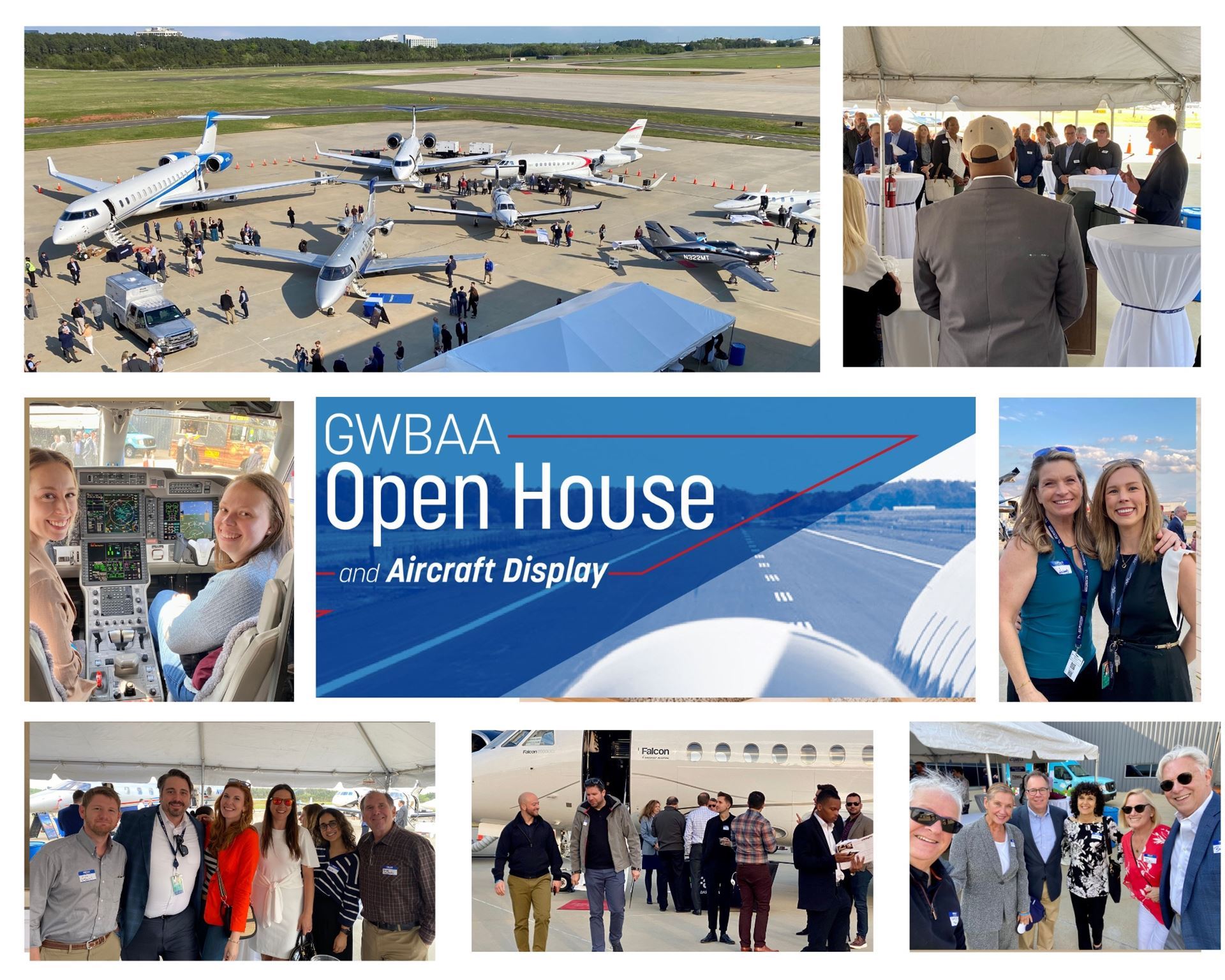
GWBAA Open House & Aircraft Display
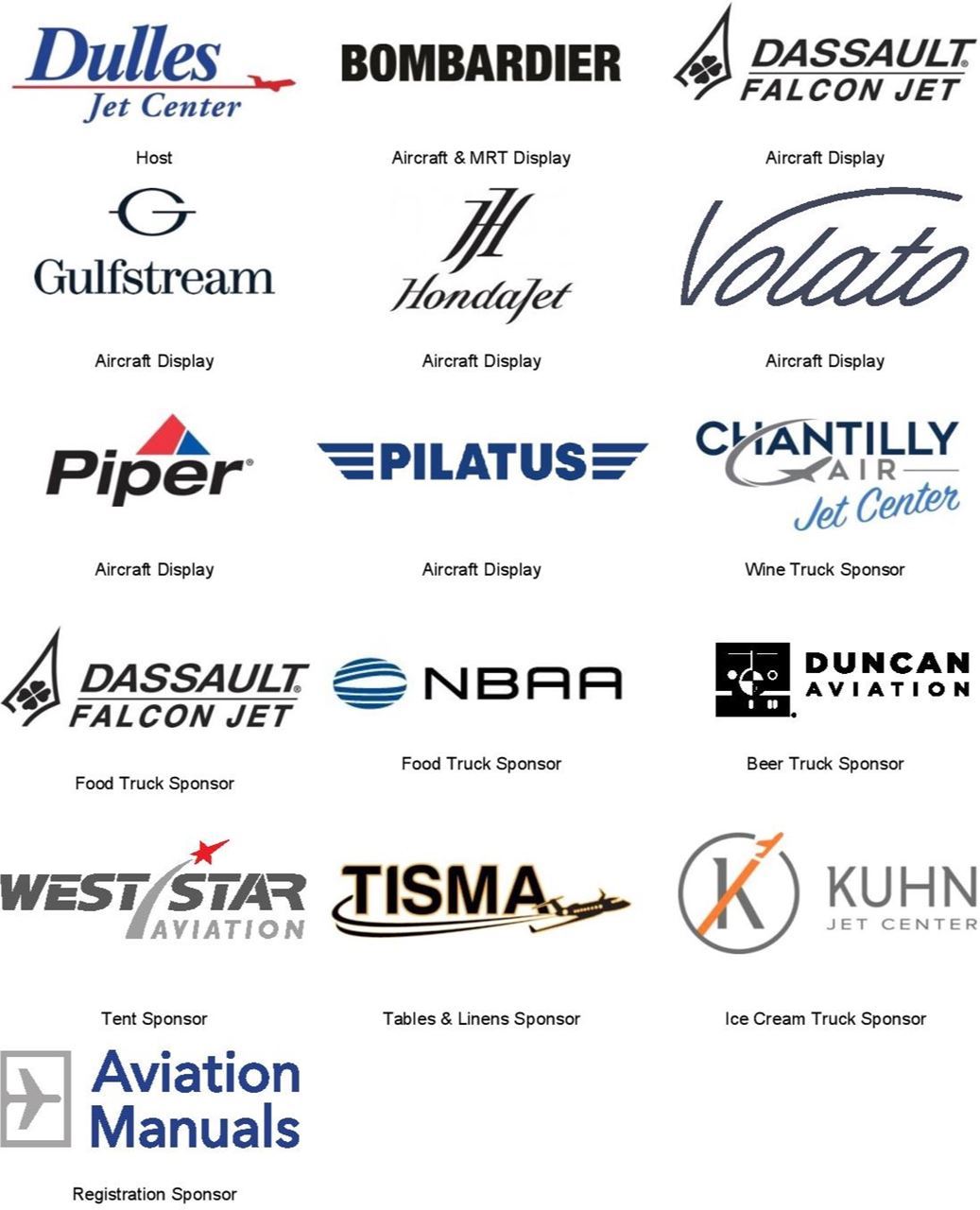
Over 300 attendees came together to network, tour some amazing aircraft, and enjoy delicious food and drinks at the GWBAA Open House & Aircraft Display. A huge thank you to our host Dulles Jet Center and our generous sponsors who helped make this event possible. We look forward to seeing everyone in the Fall for the GWBAA Golf Classic and Safety Standdown. Look for details coming soon!
Thank you to our Supporters!
GWBAA Lunch and Learn - Human Trafficking Awareness
Thank you to everyone who attended the Lunch and Learn on October 27th for an important conversation about how to recognize the signs of human trafficking. Our speaker Michael E. Camal, Senior Advisor, DHS Center for Countering Human Trafficking (CCHT), shared case examples and taught attendees how to report suspected trafficking to federal law enforcement. |